Do you feel like this?
- You track your expenses… but still feel anxious
- You don’t know where your money is going
- Budgeting feels like “recording only”
You’re doing everything right.
But something is missing.
Clarity
What is a Pivot Table Budget?
A pivot table budget is a smarter way to manage money.
Instead of just writing numbers, it:
- Organizes your data automatically
- Shows spending by category
- Visualizes patterns over time
You don’t just track money
You understand it.
-
-
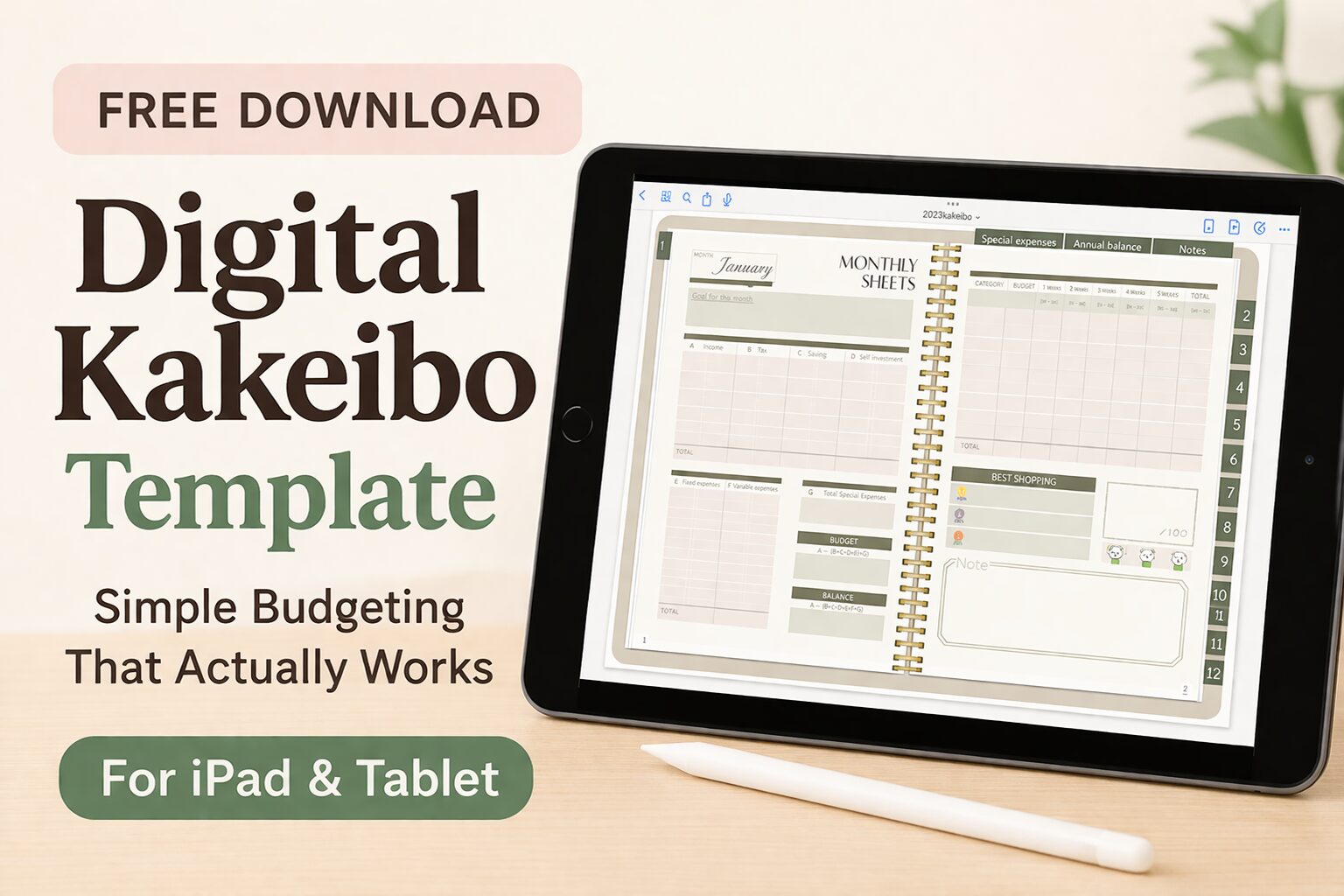
Free Smartphone Kakeibo Template
Contents Simple Budgeting That Actually Works (Google Sheets)Why Most Budgeting FailsWhat Is a Smartphone Kakeibo?Why This Template Is Different Easy to continueClear and visual FlexibleWhat ...
Why most budgets don’t work
Traditional budgeting looks like this:
- Record expenses
- Check totals
- Repeat
But here’s the problem
You still don’t know “why” you spend
And that’s why anxiety stays.
What changes with a pivot table
With pivot tables, everything becomes clear.
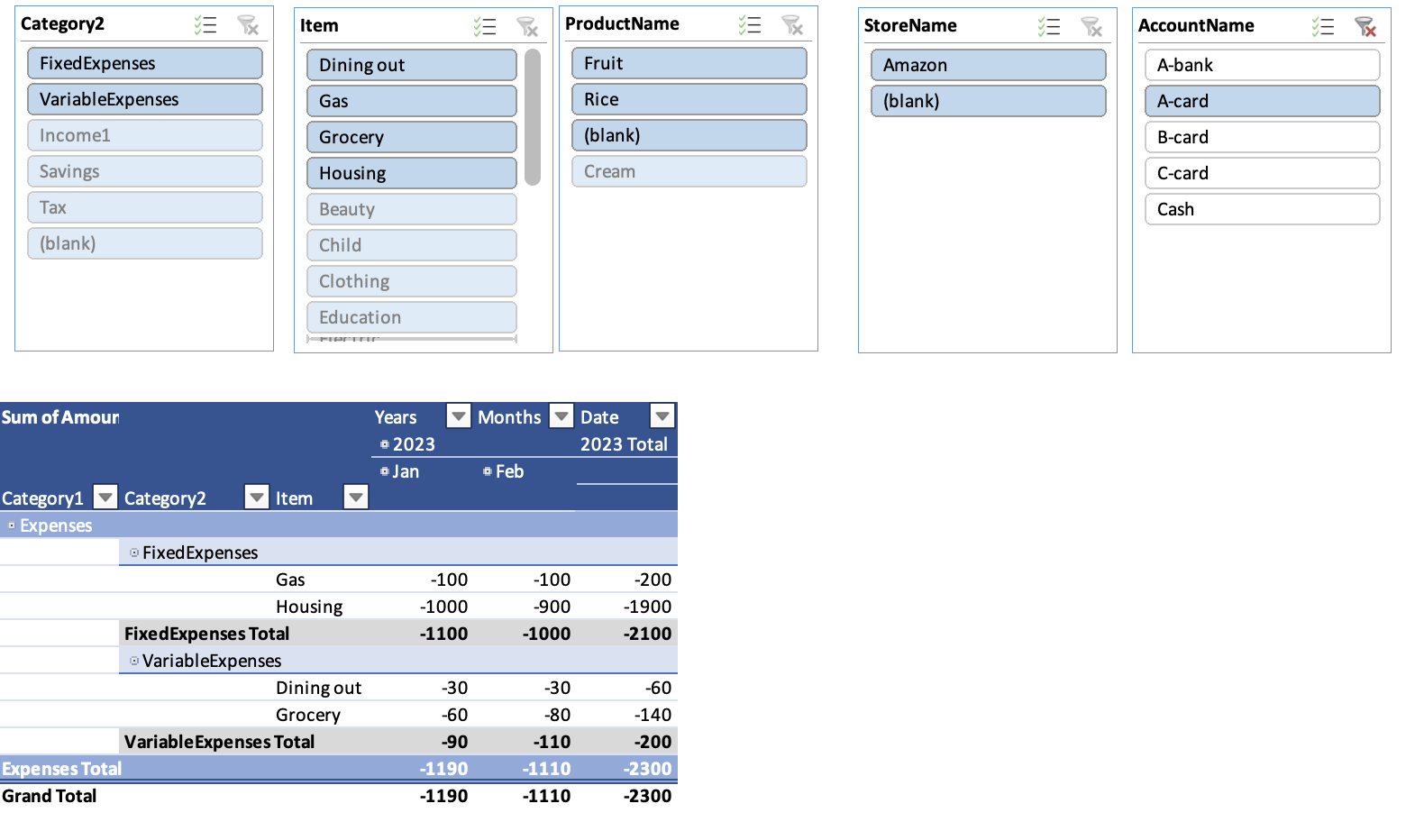
1. See where your money goes instantly
- Food
- Housing
- Entertainment
No manual calculation
2. Understand your spending patterns
- Which category is increasing?
- Which month is highest?
You start seeing trends
3. Make better decisions
“I think I overspend”
“Dining out increased 30% last month”
This is where real change starts
How to Use This Free Template
Getting started is simple.
Step 1: Enter your data
Go to the input sheet and enter:
- Date
- Category
- Amount
- Account (optional)
Just like a normal budget.
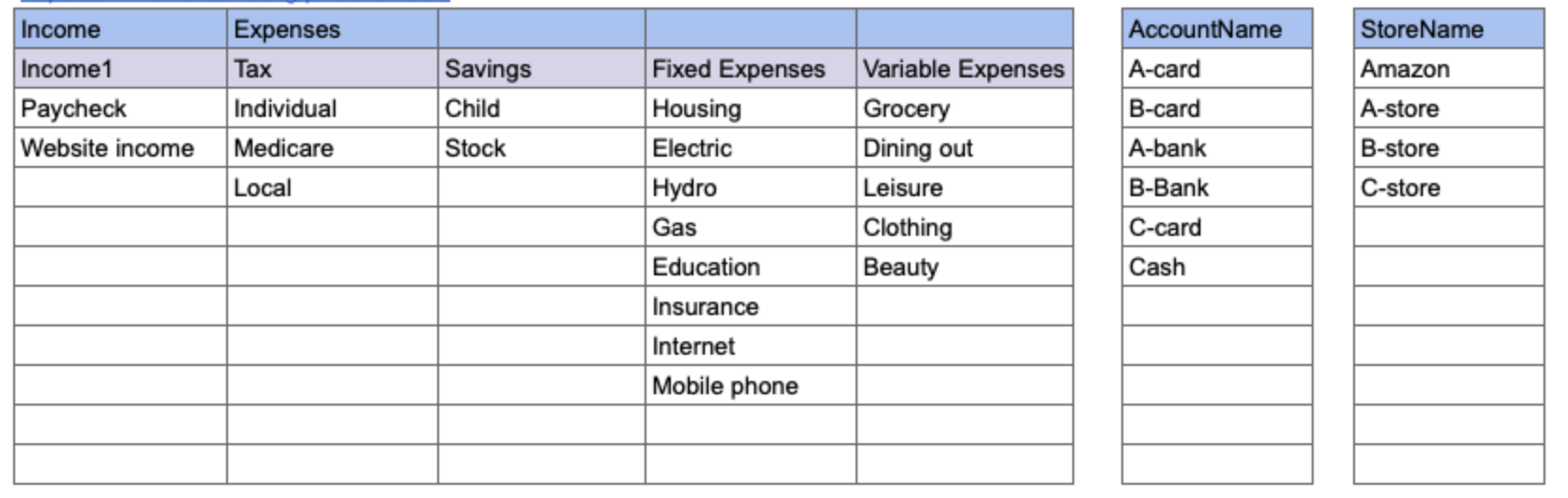
The amount column should be negative for all expenditures.
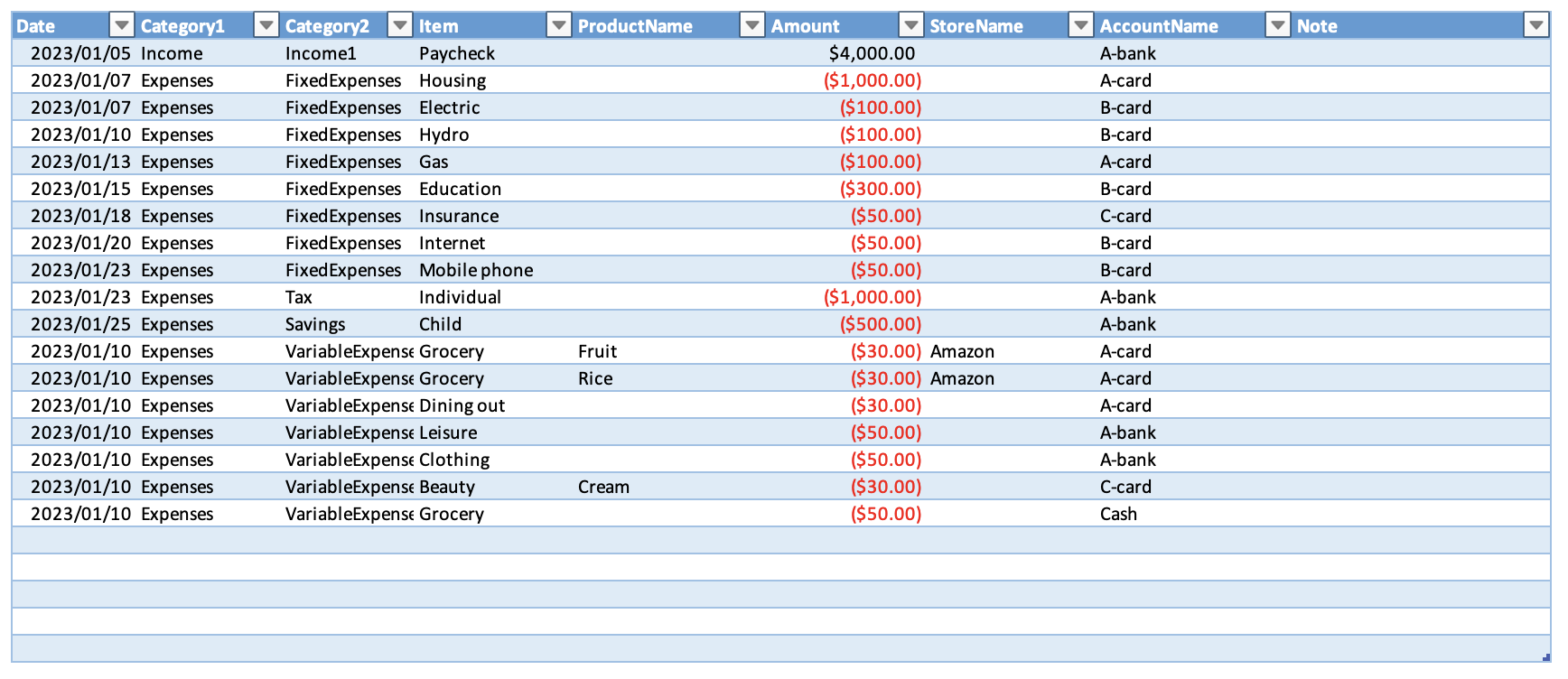
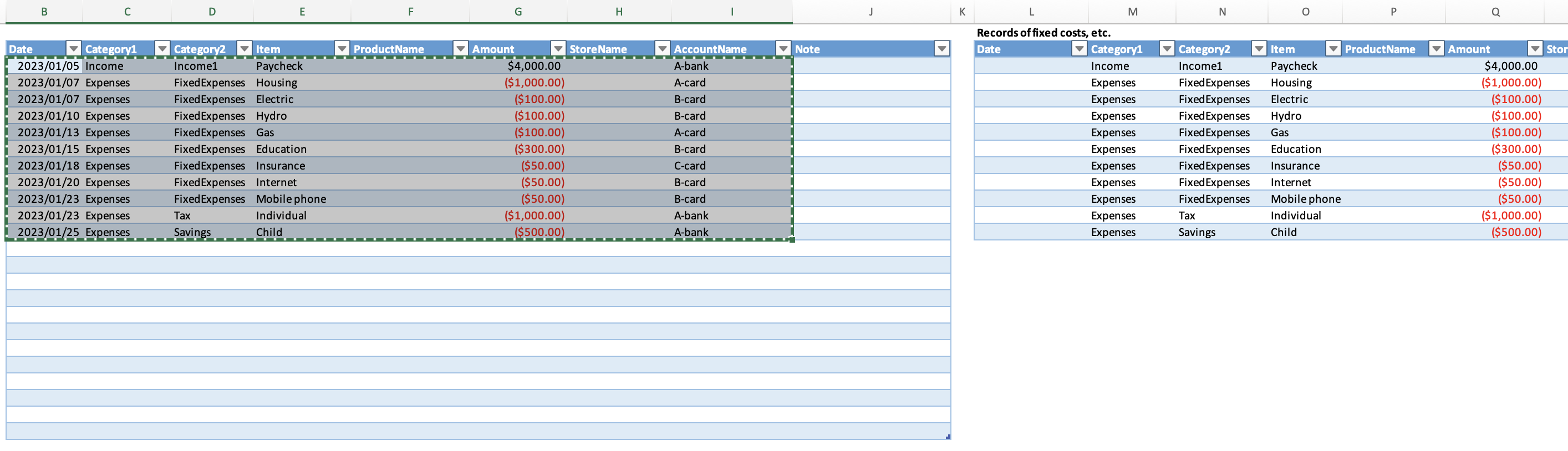
Make entry as easy as possible, there is a column on the right side of the table for setting fixed and other expenses.
By entering items other than variable expenses in this column, you can copy and paste this information into the table on the left each month.
Correct the date and amount if necessary.
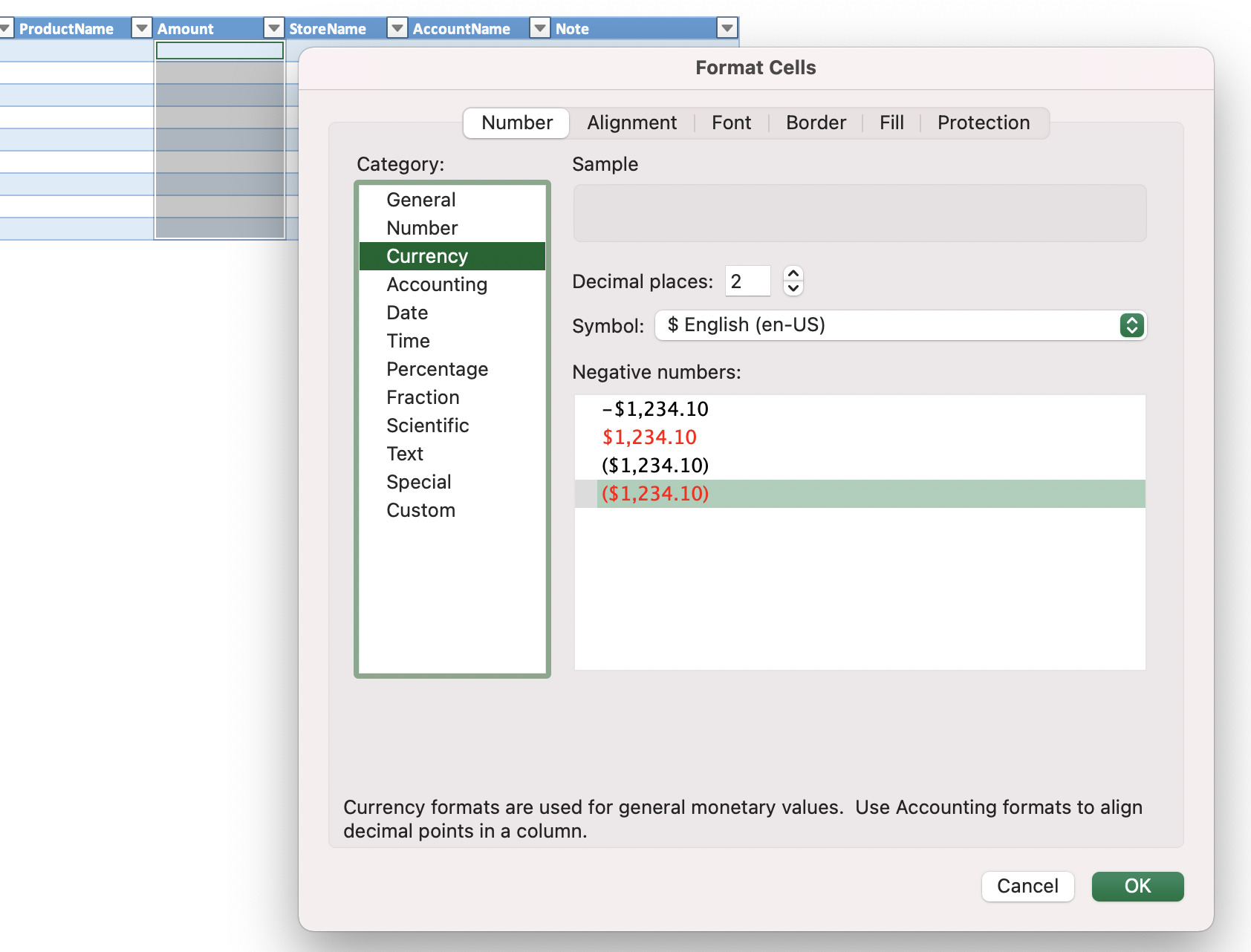
How to change currency units
Select an amount cell and right-click.
Select ”Format Cells ”and click on ”Currency”.
Select your local currency unit in Symbol.
The default setting is set to dollars.
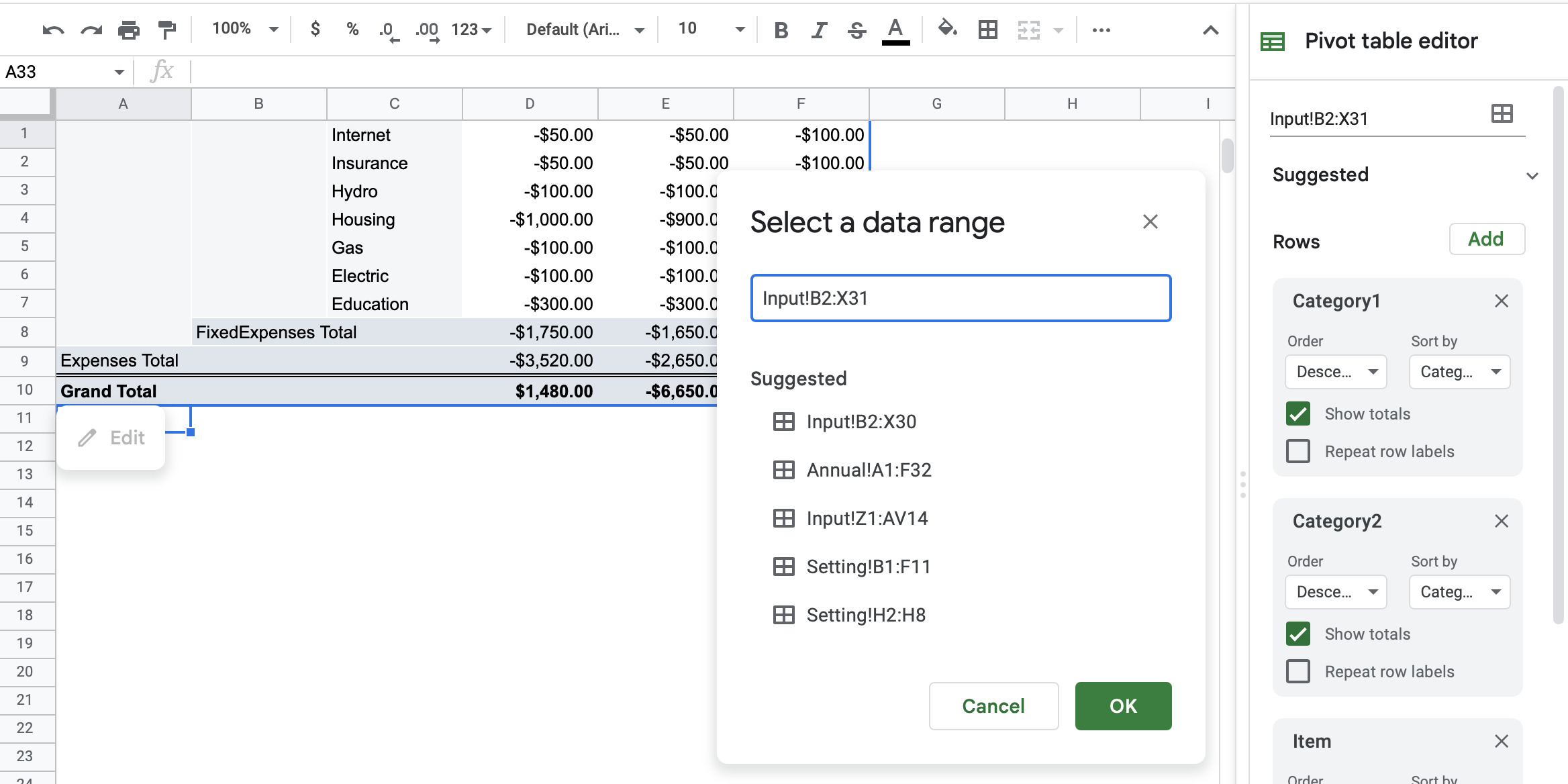
Step 2: Update the pivot table
Once you enter data:
- Click “Refresh” (Excel)
- Or Edit the pivot table (Google Sheets)
Your data will automatically organize into:
- Categories
- Monthly totals
- Spending breakdown
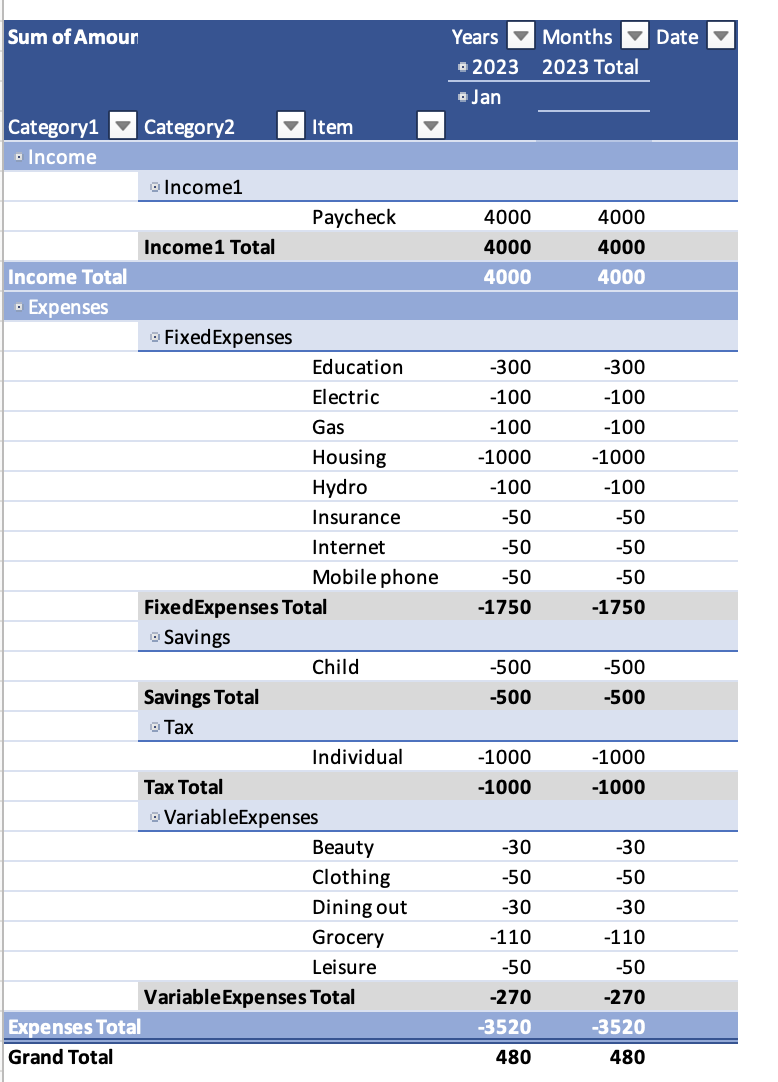
Step 3: Check your spending
Now you can instantly see:
- Where your money goes
- Which category is highest
- Monthly changes
This is where awareness begins
Step 4: Review once a month
You don’t need to check every day.
Once a month is enough
Look at:
- Spending trends
- Changes from last month
- Categories that increased
That’s it.
No complicated setup.
No difficult rules.
Just input → check → repeat
Free Template
To help you get started,
I created a free pivot table budget template.
It’s designed to be:
- Simple to input
- Powerful to analyze
- Easy to continue
-
-
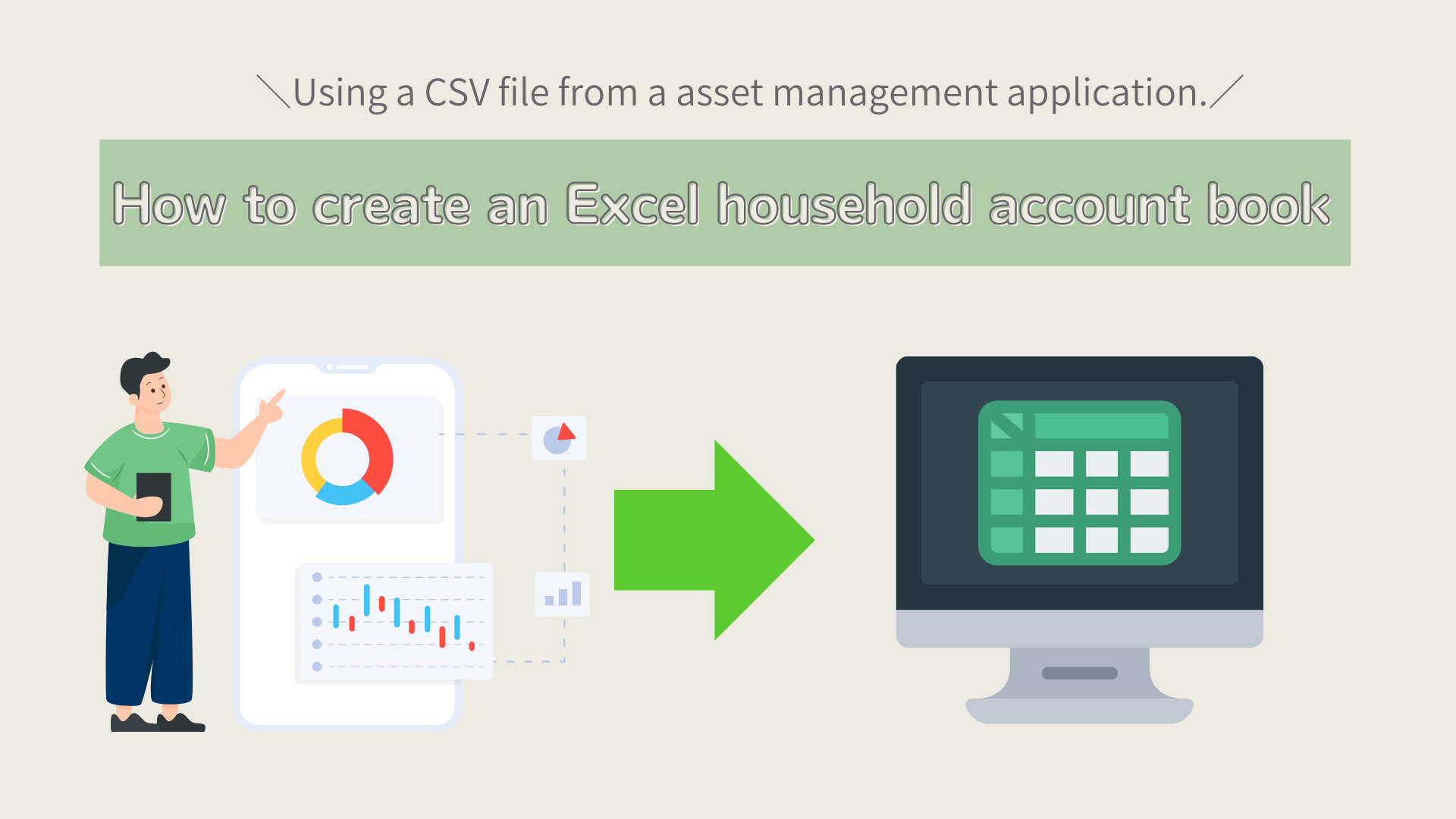
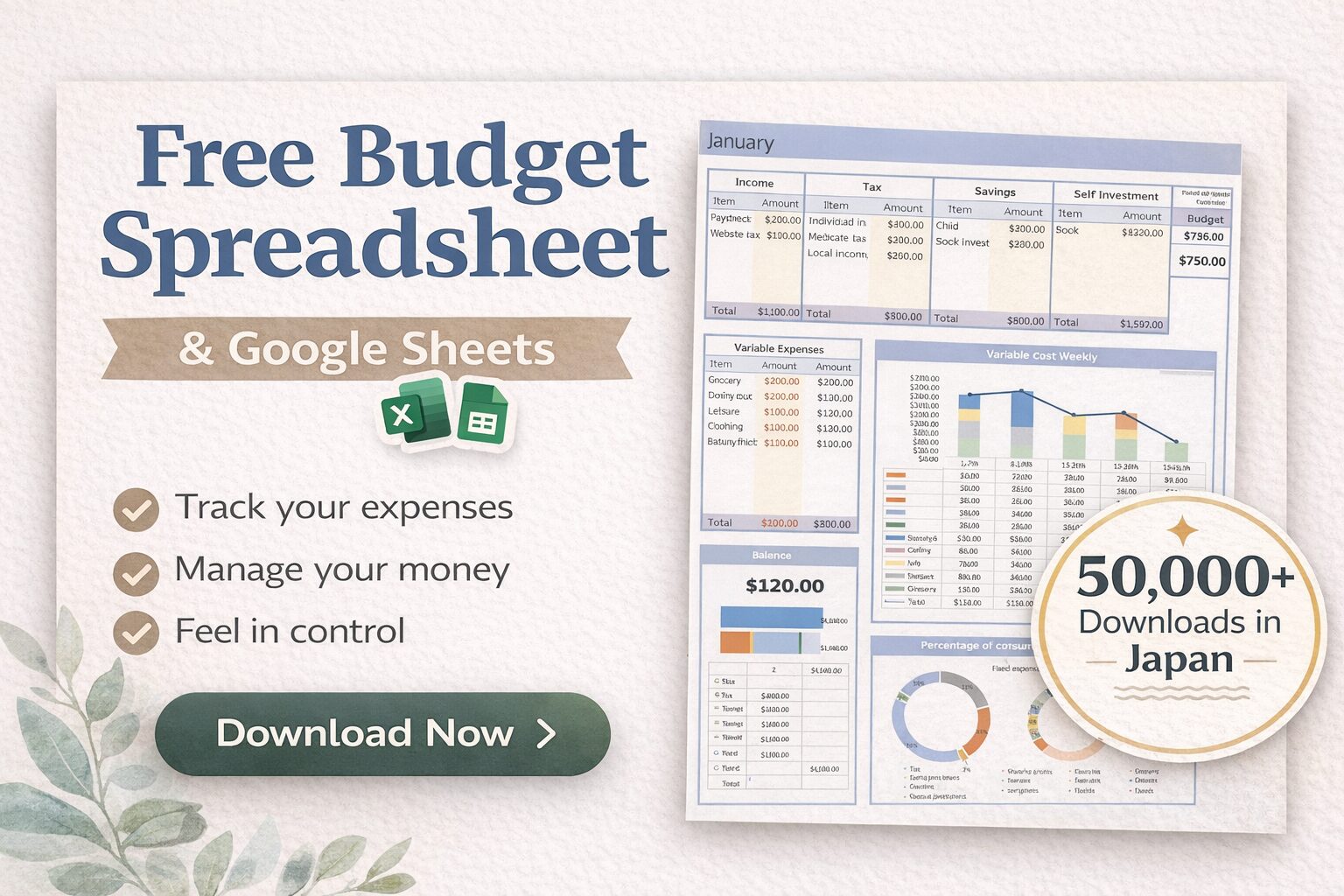
Free Budget Spreadsheet (Excel & Google Sheets) – Simple Template for Beginners (50,000+ Downloads)
This is a free budget template for Excel and Google Sheets.You can easily track your income and expenses, and understand where your money goes. Contents ...
Download the free template here
After downloading, please make a copy of the file before use.
The downloaded file is not editable.
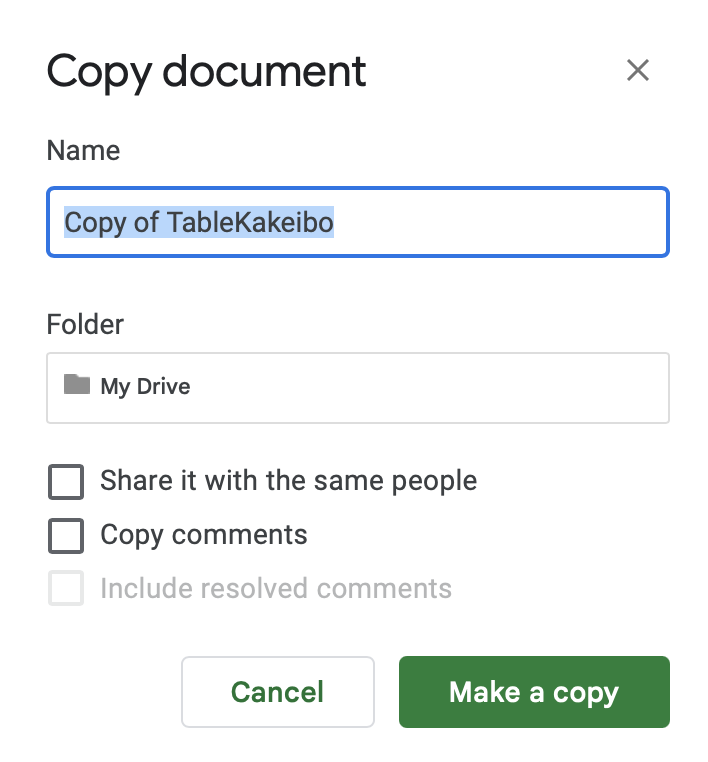
Click here to download the Google Spreadsheet.
Click here to download Microsoft Excel.
What you can see with this free template
- Monthly spending breakdown
- Category analysis
- Spending trends
- Visual graphs
Not just numbers
Your habits become visible
Real change (Before / After)
Before:
- “I feel like I spend too much…”
- No clear reason
After:
- “Food expenses increased this month”
- “Fixed costs are too high”
From vague anxiety → clear understanding
Want to go one step further?
This free template helps you:
- Understand your spending
- See your patterns
But if you want to…
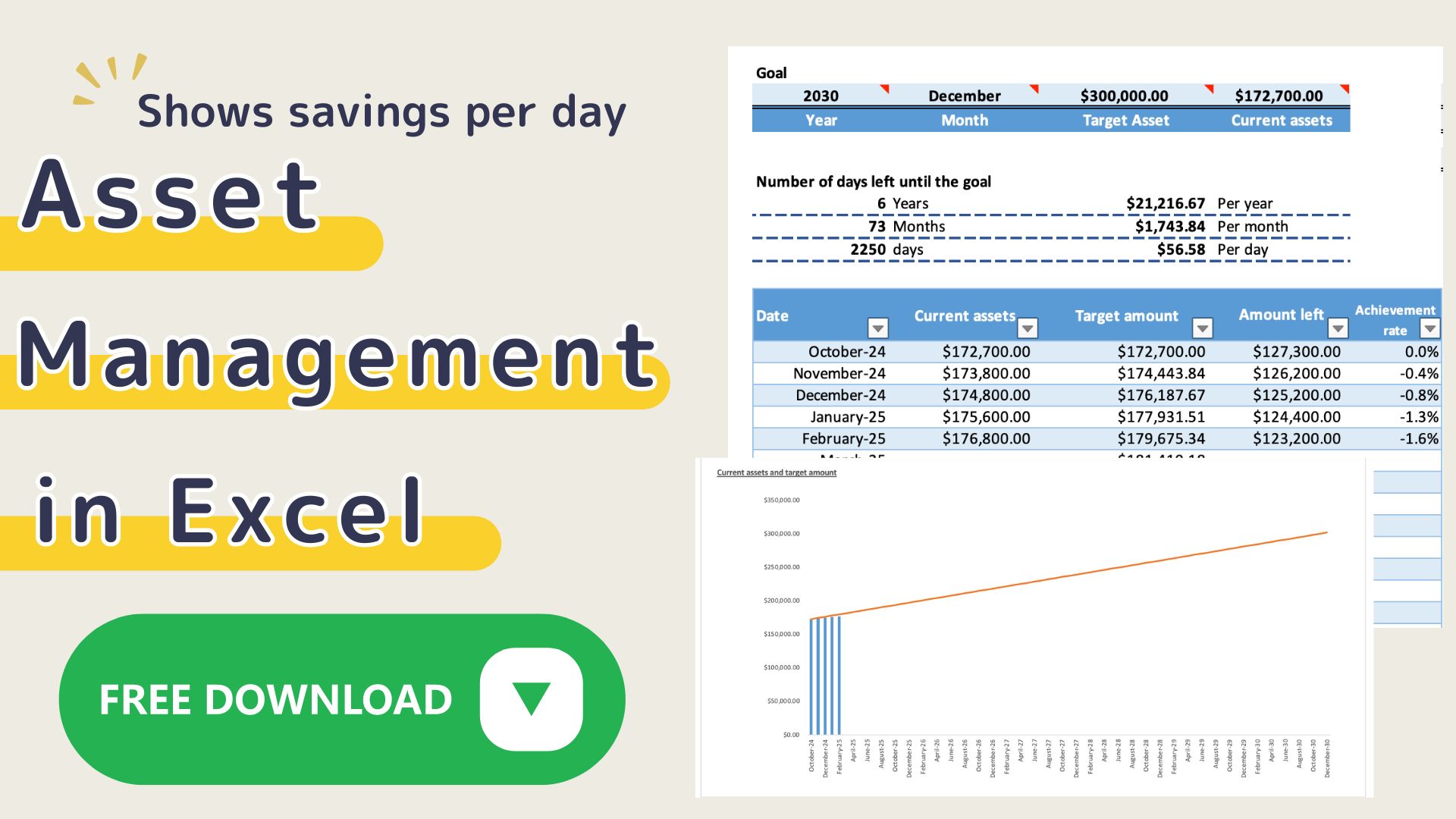
- Track your total assets
- See how your money changes over time
- Understand your full financial picture
This is not enough.
The difference most people don’t notice
A normal budget shows:
“what you spent”
But real financial clarity comes from:
“what you have”
“how it’s changing”
Why you still feel anxious
Even if you manage expenses well…
You may still feel uncertain
Because:
- You don’t know your total assets
- You don’t know how long your money will last
- You don’t see the full picture
Free vs Paid
Free Pivot Budget
- Expense tracking
- Category analysis
- Monthly trends
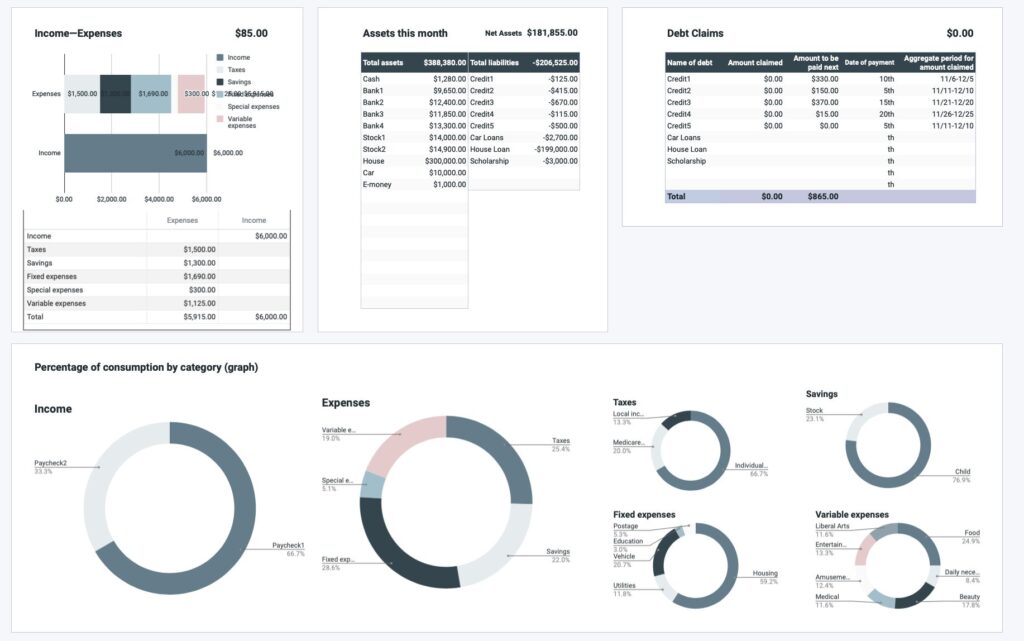
Asset Kakeibo (Paid)
- Asset tracking
- Account balance management
- Full financial overview
- Long-term clarity
-
-
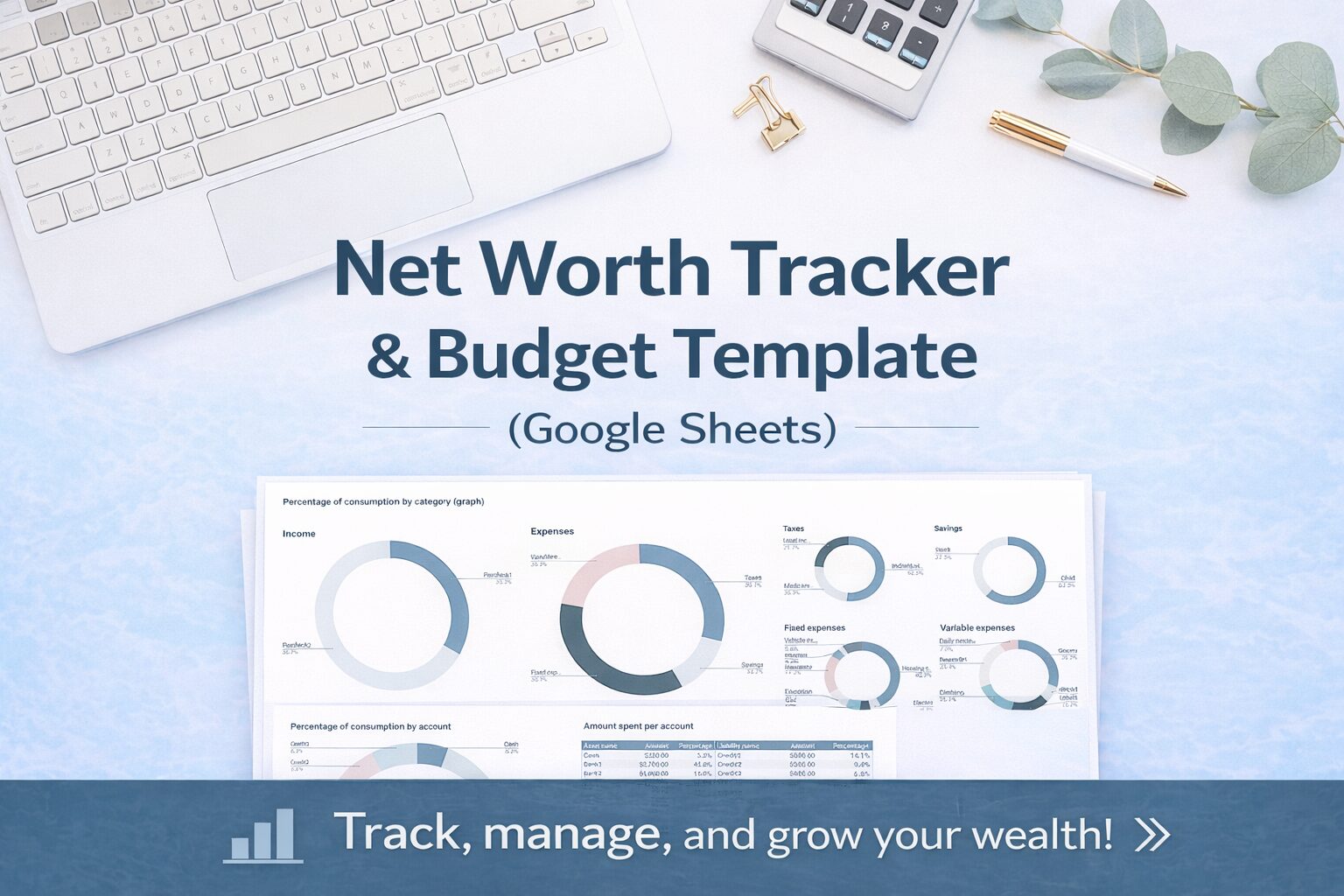
Net Worth Tracker & Budget Template (Google Sheets) | Simple & Powerful
Net Worth Tracker & Budget Template (Google Sheets) Do you feel anxious about money—even though you're saving? You’re not alone. Many people: But still feel ...
Free = Understand
Paid = Transform
My asset-based kakeibo
I created a system that goes beyond budgeting.
- Tracks assets + expenses
- Shows your financial flow
- Makes your habits visible
Not just budgeting
Life design with money
Upgrade to Asset Kakeibo
This free template helps you understand your money.
But if you want to change your financial future,
you need to see your assets.
Final thought
You don’t need more budgeting methods.
You need:
Clarity
Because when you can see your money,
you can control your life.
-
-
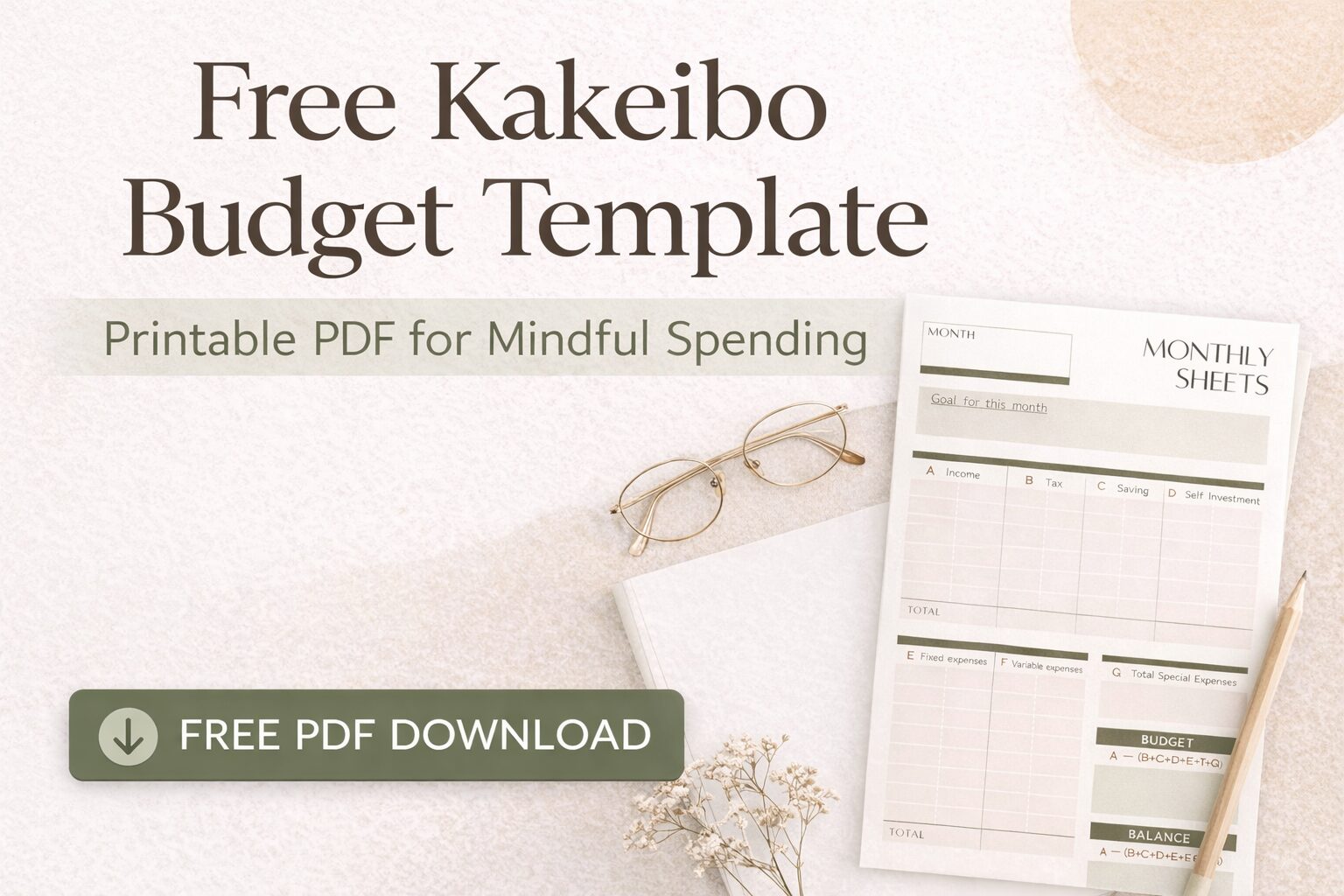
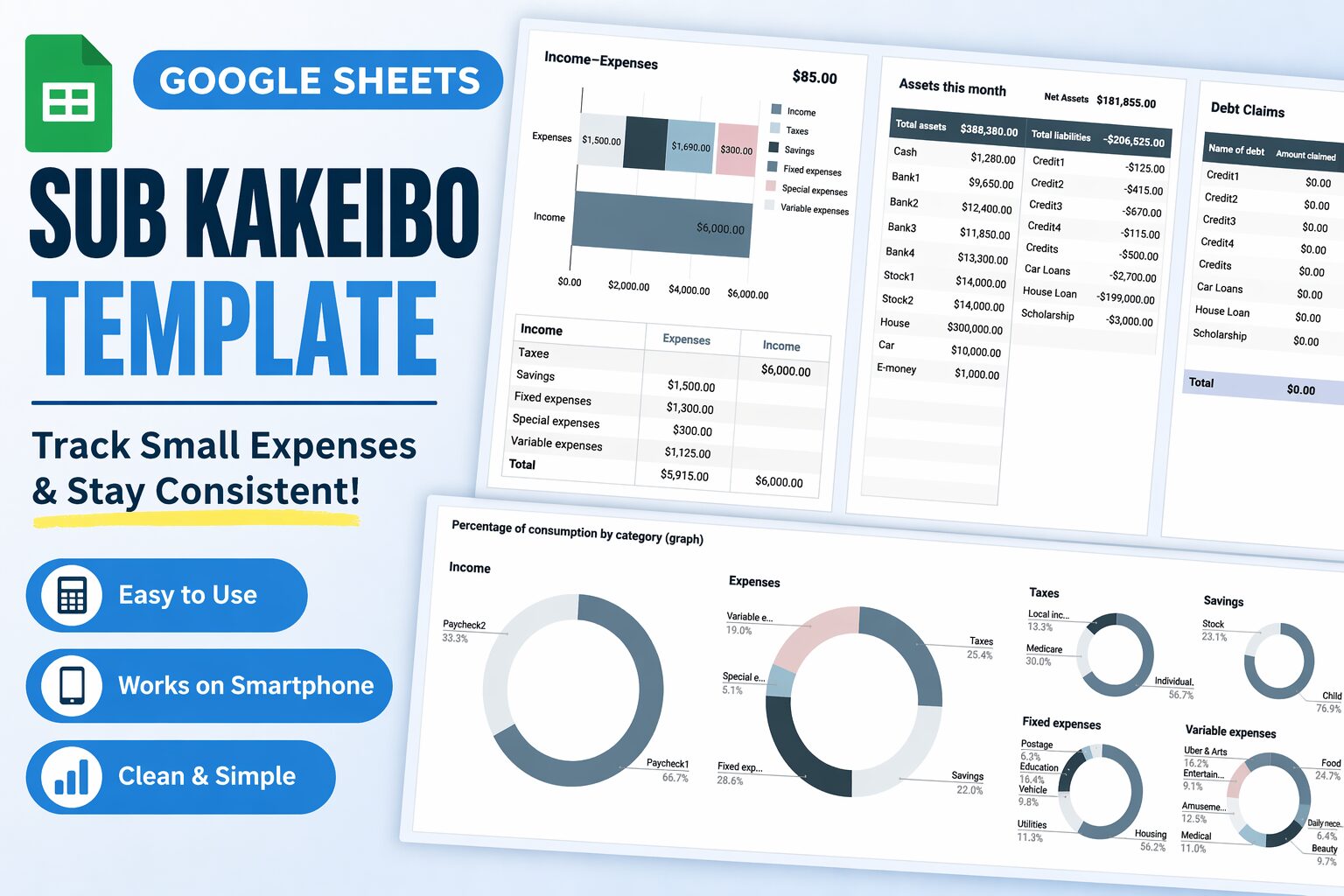
Sub Kakeibo Template (Google Sheets)Track Small Expenses & Stay Consistent with Your Budget
Contents Track Small Expenses & Stay Consistent with Your Budget What is a Sub Kakeibo? Why You Need a Sub Kakeibo Features of This Template ...