Do you ever feel like…
- “I’m tracking my expenses, but nothing changes.”
- “I try to save money, but I still overspend.”
- “I don’t even know what counts as a waste anymore.”
You’re not alone.
The truth is, “wasting money” looks different for everyone.
A purchase that feels meaningless to one person may bring real happiness or value to another.
That’s why improving your finances isn’t about cutting everything out.
It’s about understanding where your money goes and why you spend it.
Instead of blaming yourself, start by making your spending visible.
By visualizing your habits, you can spend with more intention and reduce money anxiety over time.
How to Stop Wasting Money
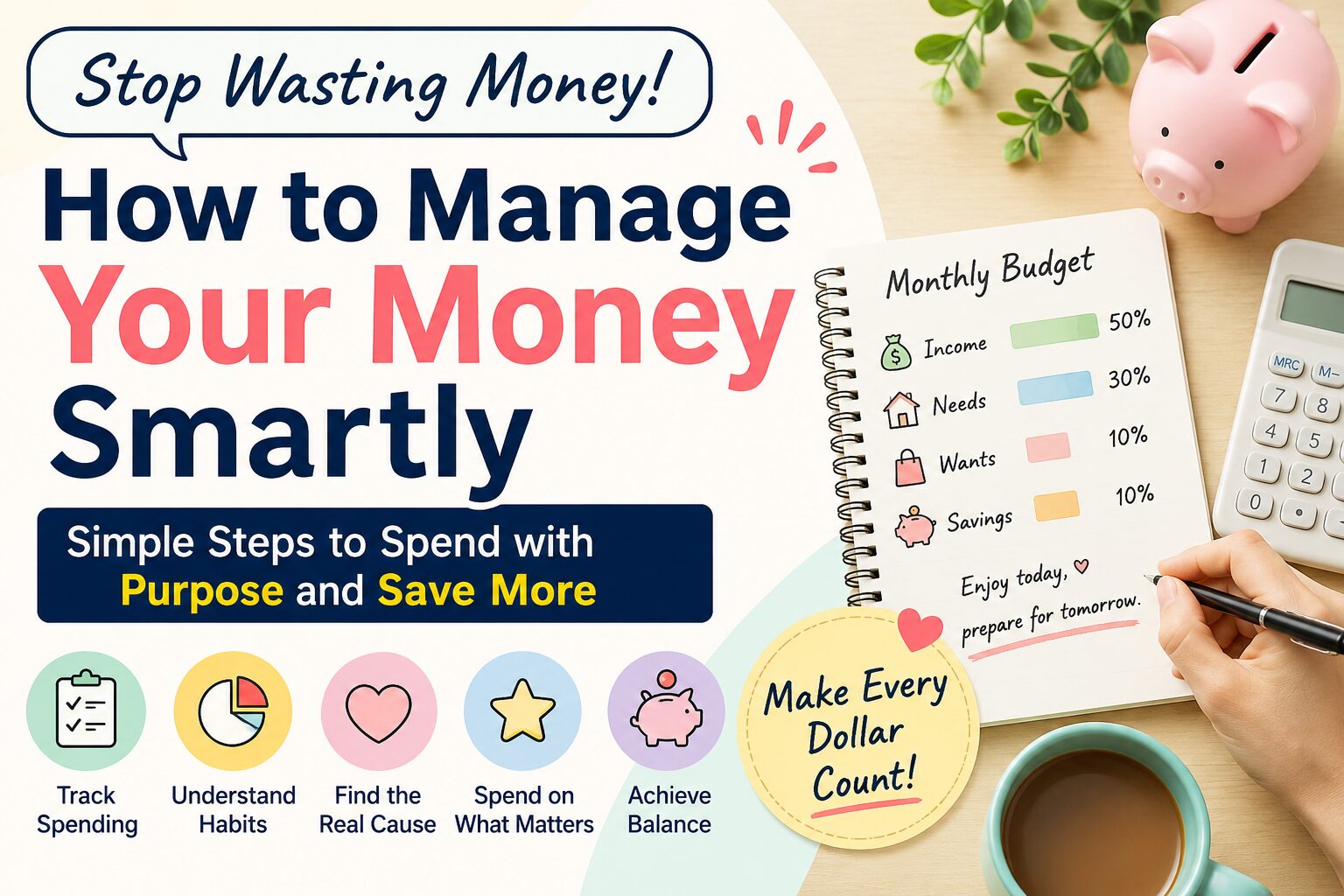
Step 1: Track Your Spending
Before you can improve your money habits, you need to understand them.
Start by recording:
- Daily expenses
- Subscription services
- Small impulse purchases
- Online shopping
- Convenience spending
Even small amounts matter when repeated over time.
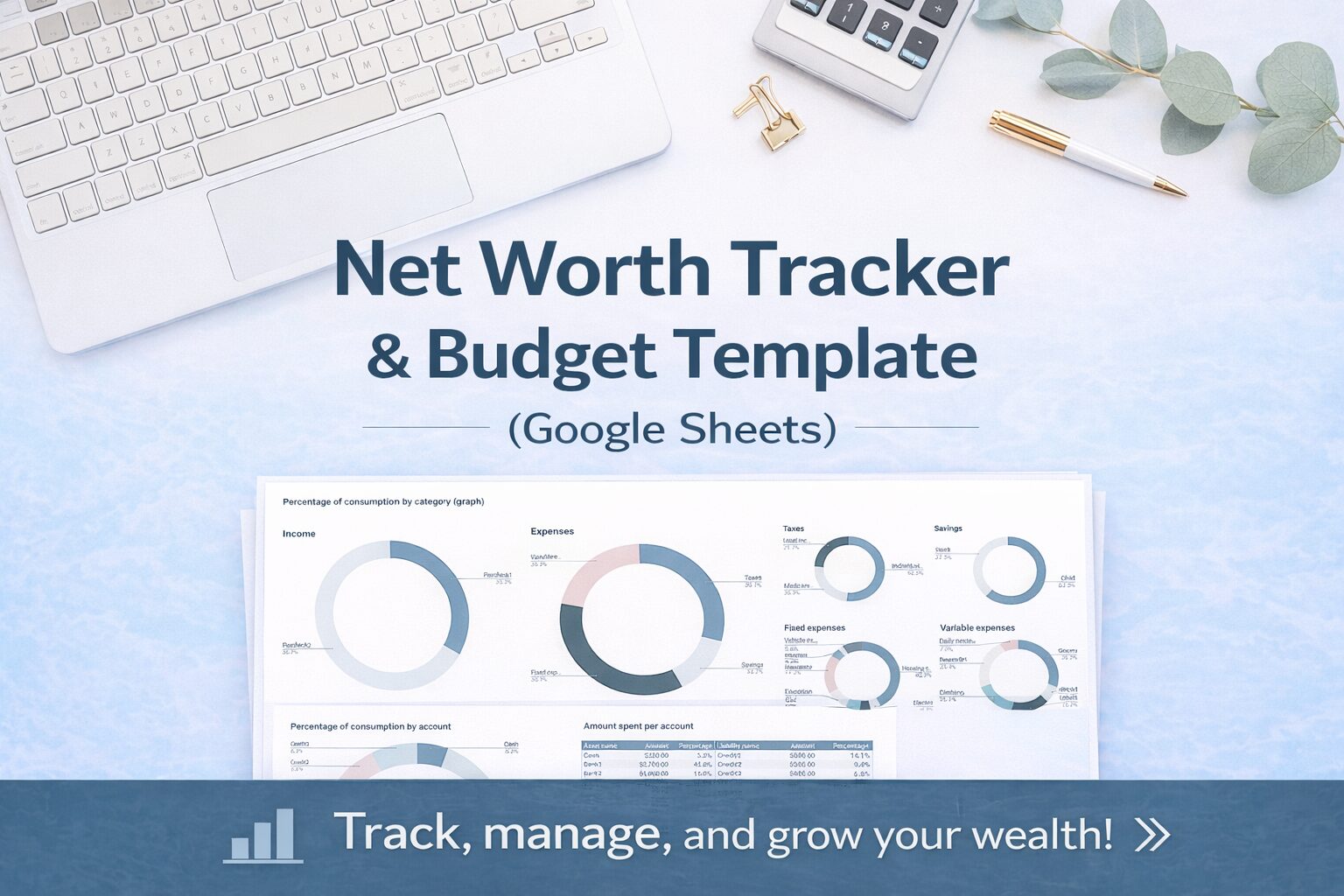
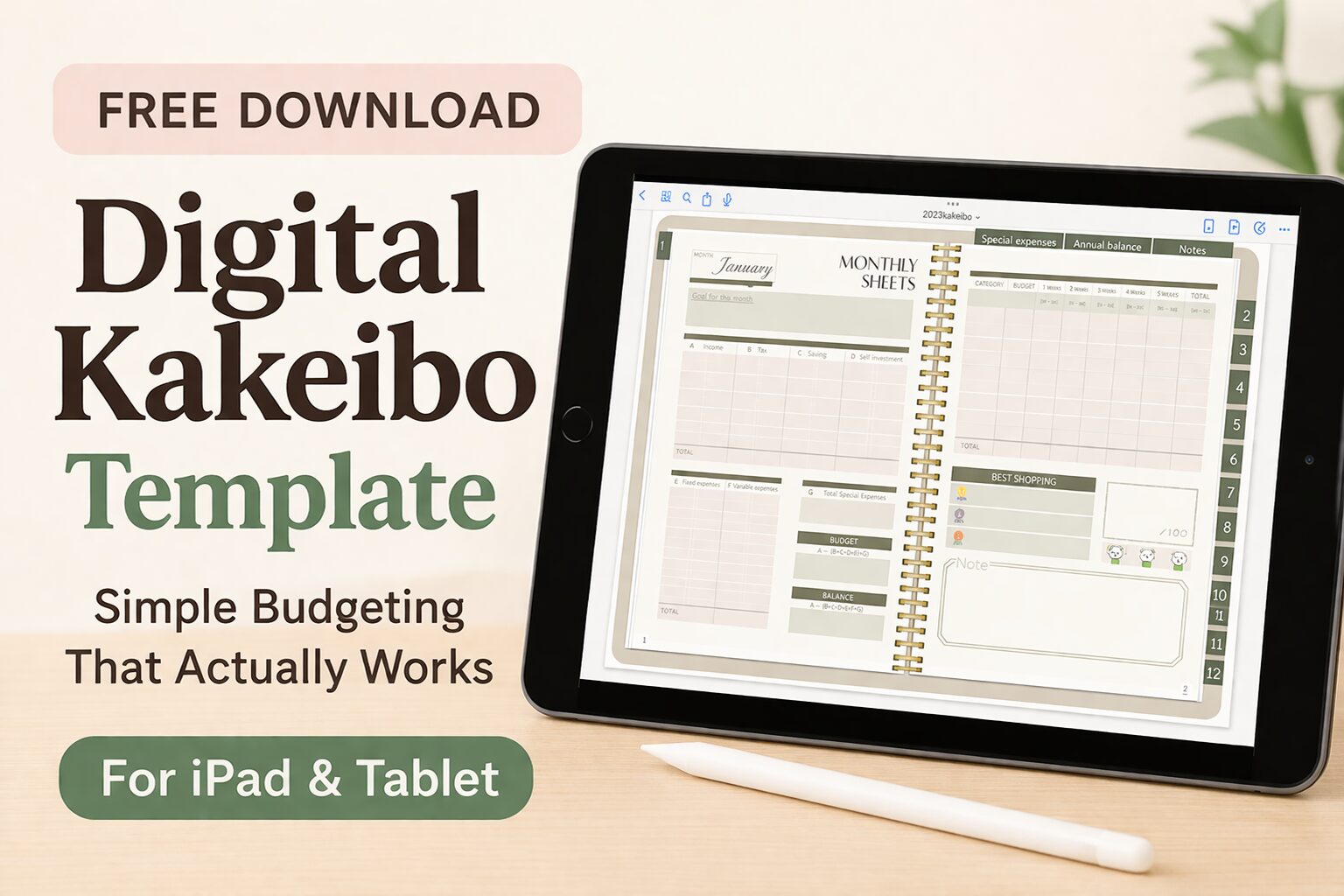
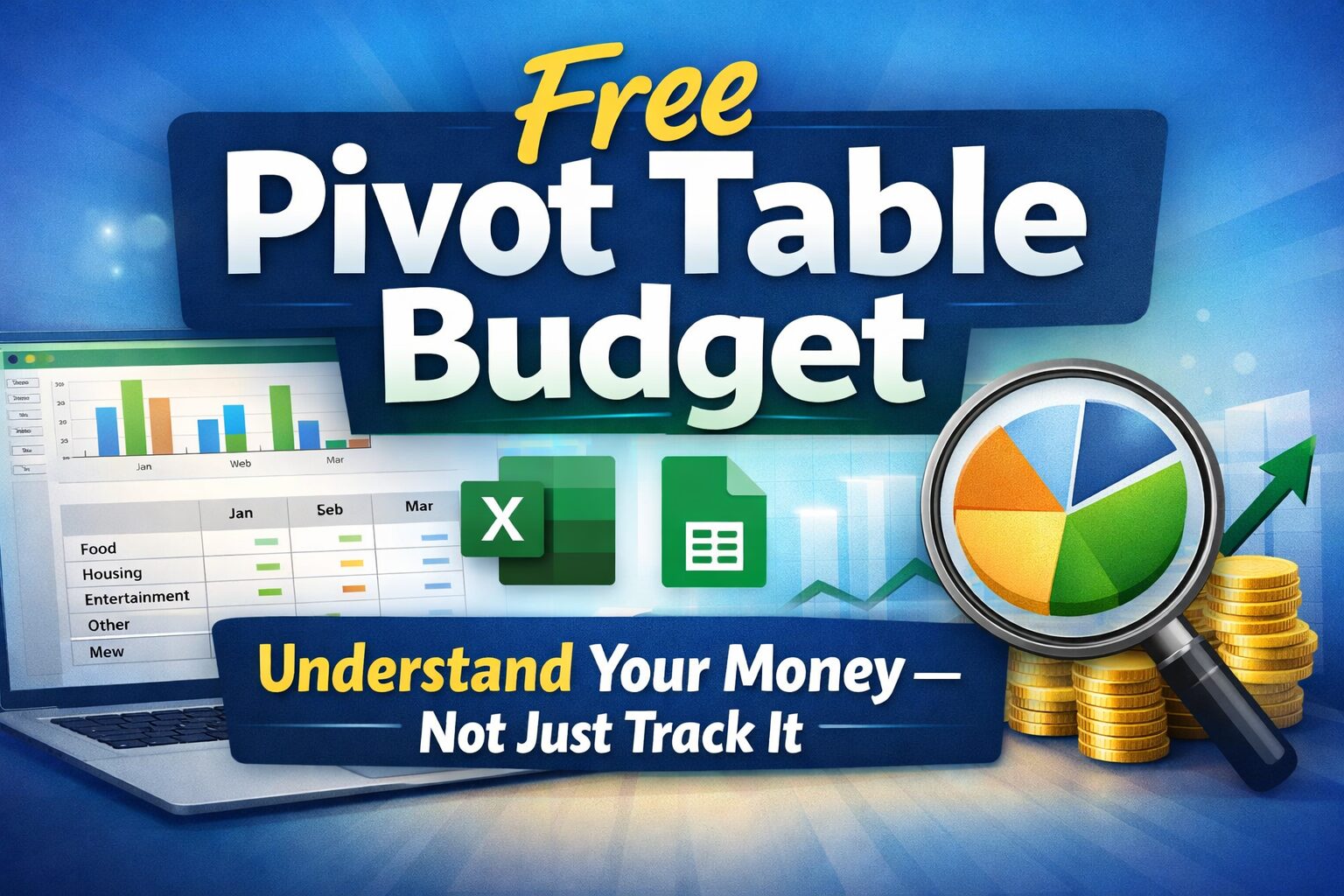
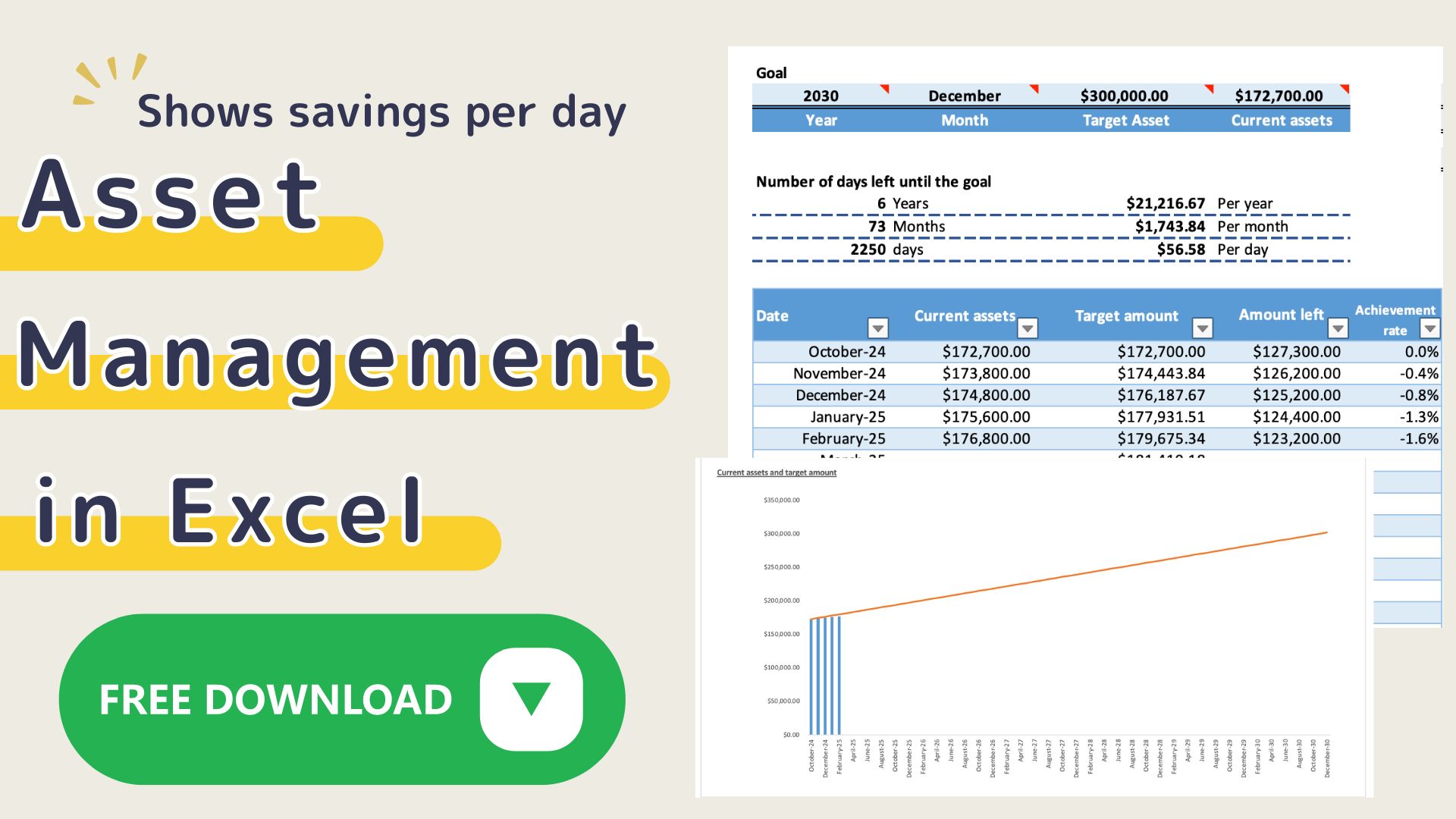
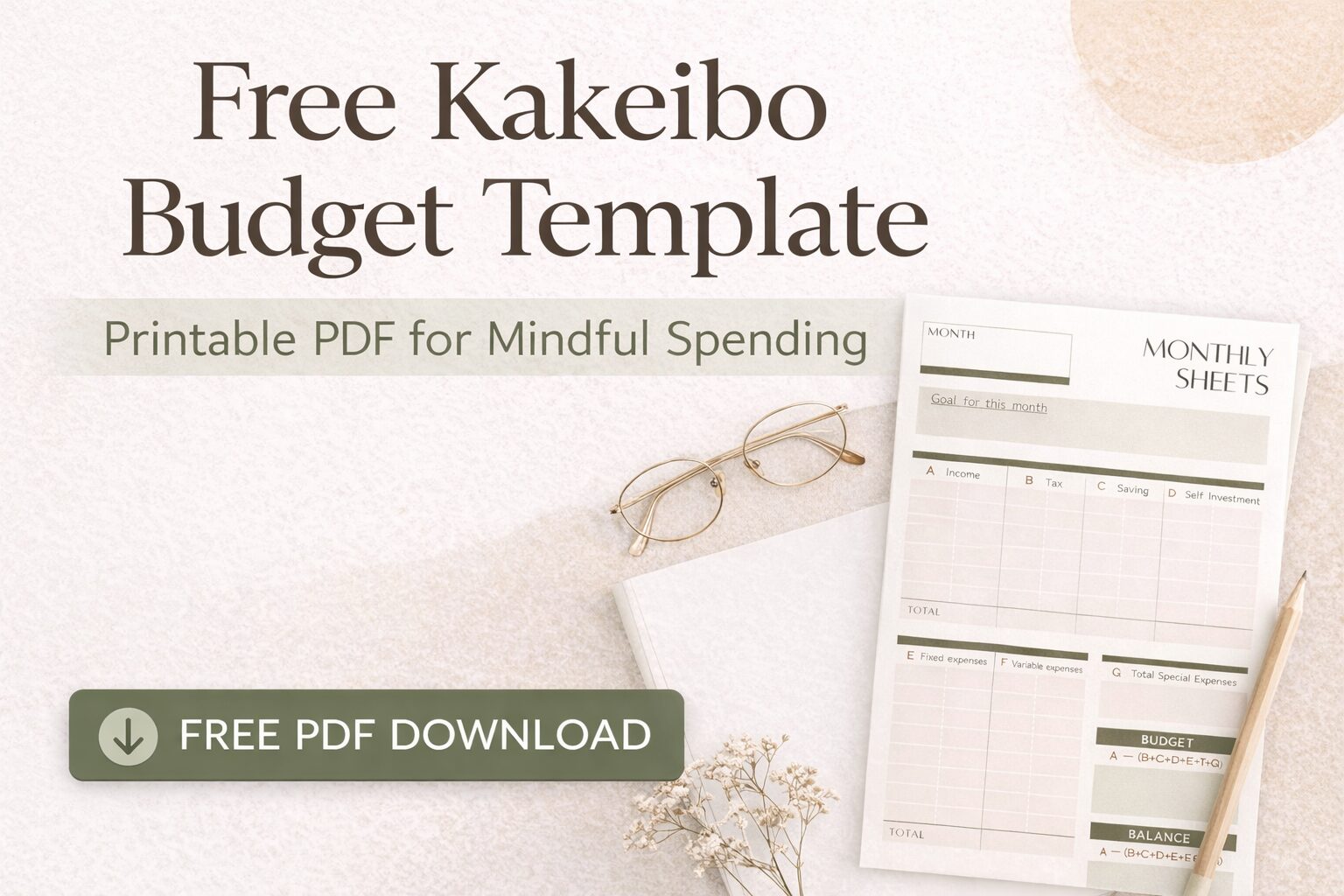
A household budget spreadsheet or expense tracker can help you clearly see patterns that are difficult to notice in everyday life.
At Kakeibo Life, I offer simple budgeting templates designed for people who struggled to continue budgeting in the past.
The goal is not perfection.
The goal is awareness.
Step 2: Categorize Your Spending
Instead of labeling purchases as simply “good” or “bad,” try sorting them into categories like:
- Essential expenses
- Future investments
- Comfort & enjoyment
- Stress spending
- Habit spending
This makes it easier to understand the emotional side of money.
For example:
| Spending Type | Example |
|---|---|
| Essential | Rent, groceries, utilities |
| Investment | Books, education, health |
| Enjoyment | Hobbies, travel, dining |
| Stress Spending | Impulse shopping after a hard day |
| Habit Spending | Buying things automatically without thinking |
The problem usually isn’t enjoyment itself.
The real issue is spending unconsciously.
Step 3: Find the Cause Behind Overspending
Many money habits are emotional.
Sometimes we spend because we are:
- Stressed
- Lonely
- Tired
- Anxious
- Seeking comfort
- Trying to reward ourselves
Understanding the reason behind spending is more important than forcing yourself to stop.
Ask yourself:
- “How was I feeling when I bought this?”
- “Did this truly improve my life?”
- “Would I make the same choice again?”
Money often reflects our mental and emotional state.
When you understand the cause, changing your behavior becomes much easier.
Step 4: Create Your Own “Luxury Index”
Not all non-essential spending is bad.
Some purchases genuinely improve your life and happiness.
That’s why it helps to create a simple “Luxury Index.”
Rate purchases from 1–5 based on questions like:
- Did this make me genuinely happy?
- Do I regret buying it?
- Would I buy it again?
- Did it align with my values?
You may notice that:
- Some expensive purchases were completely worth it
- Some cheap purchases added no value at all
The goal is not to spend less.
The goal is to spend on what truly matters to you.
Set a Flexible Fun Budget
Saving money becomes much easier when enjoyment is included in your plan.
For example:
- Monthly expenses: $2,000
- Fun budget: 5%
- Monthly enjoyment budget: $100
Instead of feeling guilty every time you spend money, you can enjoy purchases within a clear limit.
This creates balance between:
- Security
- Enjoyment
- Future goals
And that balance is what makes budgeting sustainable long term.
Money Management Is About Clarity, Not Restriction
Many people think budgeting means:
- Being strict
- Cutting expenses
- Giving up fun
But real financial peace comes from understanding your money clearly.
When your spending becomes visible:
- You stop making decisions based on anxiety
- You feel more in control
- You can spend with confidence
- Saving becomes easier naturally
Money problems are often not about “not having enough.”
They come from not being able to clearly see where your money is going.
Final Thoughts
You do not need to become a perfect saver.
You only need a system that helps you:
- Understand your habits
- Align spending with your values
- Reduce financial stress
- Feel more confident about the future
Budgeting is not about restricting your life.
It’s about creating a life where your money supports what matters most to you.
If you want to start visualizing your spending, you can begin with a simple household budget template and gradually build awareness one step at a time.
-

-
Best Kakeibo Templates (2026) | Find the Right Budget for You
“Which budget template should I choose?” If you’ve ever felt overwhelmed by too many options, you’re not alone. In this guide, you’ll find a clear ...
続きを見る